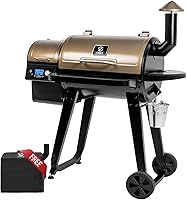
How to Use a Pellet Smoker for the First Time
Here's how to use a pellet smoker: check the setup, add dry cooking pellets, follow the startup sequence, and preheat before adding food. Complete any required first-use burn-in, check food with a thermometer, and finish with the smoker's shutdown cycle.
On this page (10 sections)
- What should you check before using a pellet smoker?
- Do you need to burn in a new pellet smoker?
- What pellets should you put in the hopper?
- How do you use a pellet smoker at startup?
- How do you choose a temperature and first meal?
- How should you arrange food and check doneness?
- What should you watch during the cook?
- How do you shut down, clean, and store the smoker?
- Which common mistakes cause avoidable trouble?
- How should you choose your first pellet smoker setup?
Here's how to use a pellet smoker: add dry cooking pellets, follow its startup sequence, preheat, and cook with the lid closed. Before the first meal, complete any burn-in required by the manual.
A pellet smoker uses electricity to feed wood pellets into a fire, so you need outdoor cooking space and a suitable power source. Read how pellet smokers use electricity if you're planning where yours will go.
Start with a manageable meal, keep fuel available, and use a food thermometer rather than the clock to judge doneness.
What should you check before using a pellet smoker?
Check that the smoker is fully assembled, level, and outdoors, with the clearances its manual requires. Keep it away from walls, overhangs, dry leaves, and anything else that can burn.
Never operate it in a garage or enclosed porch, even with a door open. Choose a spot where the cord stays away from hot surfaces and foot traffic, and follow the manual's outlet and extension-cord requirements.
Remove packaging and inspect the hopper, burn pot, grates, grease tray, and grease container. Fit removable parts correctly so grease drains into its intended container instead of collecting inside the cooker.
Before buying, measure space for the open lid, access to the hopper, and cleaning. Our electric and pellet smoker guide explains the main cooker types if you're still choosing.
Do you need to burn in a new pellet smoker?
Complete an initial burn-in if the manual requires it before cooking food. Use the stated temperature, duration, and lid position rather than a routine meant for another model.
Clean the food-contact surfaces as directed, then run the empty cooker through the required cycle. Don't assume seasoning means coating every internal surface with oil.
Allow time for this step before meal day. Trying to assemble, burn in, and cook for guests in one afternoon leaves little room to learn the controls.
What pellets should you put in the hopper?
Use dry, food-grade cooking pellets approved for your smoker. Heating pellets and wood chips don't belong in the hopper.
Choose one versatile blend while learning the cooker, then change wood flavors after you have a repeatable recipe. Keep the food, seasoning, and cooking method similar when comparing blends so you can judge the difference.
Traeger Signature Blend Pellets suit cooks who want one bag for several kinds of meals. The 18 lb bag is useful for keeping extra fuel available, while the blend avoids choosing a separate wood for every recipe.
Skip this blend if you want to explore one wood flavor at a time. It also won't solve feeding trouble caused by damp storage or a dirty cooker.
Store pellets in a sealed container in a dry place. Add fuel without overfilling, keep hands and tools clear of the feed mechanism, and don't assume a full hopper will last through every recipe.
How do you use a pellet smoker at startup?
Start with the model's prescribed ignition sequence, then wait for the cooker to reach your recipe temperature. Lid position and control settings can differ between smokers.
How to use a pellet smoker for the first startup
- Inspect the cool burn pot and remove debris as directed.
- Check that the grease tray, heat shields, and grates are installed.
- Fill the hopper with suitable dry pellets.
- Connect power and follow any first-use auger-priming instructions.
- Run the startup sequence with the specified lid position.
- Let the chamber preheat before loading food.
Only prime the auger when the instructions call for it. Repeating that step unnecessarily can deliver excess fuel into the burn pot.
If ignition fails, don't keep restarting the cooker. Follow its failed-ignition procedure, including cooling and removing accumulated pellets where required, before another attempt.
How do you choose a temperature and first meal?
Use the recipe's cooking temperature, then check the food's internal temperature separately. The controller measures cooking conditions, not whether the center of your meal is ready.
For a first cook, choose a small batch of chicken thighs or another straightforward recipe with a clear internal-temperature target. Save a large brisket or several different meats for after you've learned startup, fuel checks, and shutdown.
The Pit Boss 500 FB2 suits cooks who want smoking and direct-flame searing in one cooker. Its 180°F to 500°F temperature range supports different cooking methods, and the Flame Broiler Lever provides access to direct flame.
Keep that broiler in the manual's indirect-cooking position for low-and-slow recipes. Open-flame cooking needs closer attention, especially with fatty food that can drip onto the fire.
Its 518 square inches of cooking space span 2 tiers, so check how your usual cuts will fit rather than judging capacity by the total alone. At 136.6 lb, it's a poor choice if you need to carry your cooker frequently.
Skip this model if you want a large fuel reserve for extended cooks. Plan hopper checks, and use the included meat probe to track food temperature without repeatedly lifting the lid.
How should you arrange food and check doneness?
Leave space between pieces so heat and smoke can move around them. Start with a modest load and use the rack positions recommended for your recipe.
Keep food away from unintended direct heat, and don't block the grease path. Arrange pieces so you can reach them with a thermometer without moving the entire meal.
Place a probe in the thickest part of the food, avoiding bone and large fat pockets. Check more than one piece or spot when cooking uneven portions.
Follow the USDA's safe minimum internal temperatures, including any required rest time. Some barbecue cuts need further cooking for tenderness after reaching a safe temperature.
Use recipe times to plan your day, with extra time available. Cut size, starting temperature, weather, and lid opening can all change when dinner is ready.
What should you watch during the cook?
Watch pellet supply, temperature trends, and grease collection throughout the cook. Automatic feeding still needs your attention.
Check fuel before starting and at sensible intervals, especially during longer meals. A hopper running empty can interrupt the fire and require the manual's restart procedure.
Keep the lid closed between necessary checks. Small temperature changes don't call for constant adjustments, so give the cooker time to respond after loading food or changing a setting.
If heat drops sharply, an alarm sounds, or the fire goes out, follow the fault instructions. Don't try to recover by adding loose pellets directly to a hot burn pot.
Keep children and pets away, and never move the hot cooker. For uncontrolled flames, keep clear, follow the manual's fire instructions, and call emergency services if the fire is spreading or you cannot safely control it.
How do you shut down, clean, and store the smoker?
Run the full shutdown cycle, then let the smoker cool completely before cleaning or covering it. Don't unplug it while the shutdown fan still needs power.
Clean grates, empty the grease container, and remove grease buildup as directed. Inspect ash in the burn pot at the manual's recommended intervals, since buildup can interfere with the next ignition.
Use only an ash-removal method approved for the cooker. Ash can hide hot embers, so don't put warm ash in household trash or use an ordinary household vacuum.
Empty stored pellets when the manual recommends it or damp conditions make hopper storage unsuitable. Check that the cooker is dry before covering it.
The Pit Boss Pellet Grill Cover suits owners of those compatible models who store their cooled cooker outdoors. Its polyester fabric with PVC backing provides a barrier against outdoor exposure, and the drawstring helps secure it.
Skip it for an unrelated grill without confirming fit. A cover doesn't replace dry pellet storage, cleaning, or a sheltered storage location.
Which common mistakes cause avoidable trouble?
Avoid rushing ignition, chasing temperature changes, and neglecting fuel or grease. These habits can disrupt a cook even when the recipe is straightforward.
- Don't add food before startup and preheating are complete.
- Don't open the lid repeatedly just to watch smoke.
- Don't assume heavier smoke means better flavor.
- Don't use searing settings for a recipe that needs indirect heat.
- Don't treat elapsed time as proof that food is done.
- Don't cut power early or cover a warm smoker.
Keep brief notes on the recipe, settings, pellet use, and finished result. Change one thing at a time on the next cook so the notes help you improve.
How should you choose your first pellet smoker setup?
Choose a setup around your usual meals, available space, and willingness to monitor fuel. Learning how to use a pellet smoker is easier when the cooker fits your routine.
Pick the Pit Boss 500 FB2 if you want smoking plus searing and can accommodate its weight. Choose the Traeger blend for a shared fuel supply across varied meals, and add the Pit Boss cover only for a compatible cooker.
If long cooks drive your buying decision, compare hopper capacity before ordering. Start with our pellet smoker guide for beginners and best pellet smokers guide.
For whole birds, tall cuts, or several racks of food, use the guide to vertical and horizontal pellet smokers to choose the right layout.
Frequently asked questions
Do you need to season a pellet smoker before using it?
Complete a burn-in or seasoning cycle if your smoker's manual requires one before cooking; the temperature, timing, and lid position vary by model, so follow those instructions exactly. Don't add oil to internal parts unless directed, and finish the full cycle before putting food on the grates.
How long should a pellet smoker take to start?
Startup time depends on the smoker, pellet condition, and weather, so follow your manual's expected timing and signs of ignition; wait until startup is complete and the chamber reaches your cooking temperature before adding food. If ignition fails, use the prescribed recovery steps rather than repeatedly restarting the smoker.
Can you use any wood pellets in a pellet smoker?
Use dry pellets made for cooking that meet your smoker's fuel requirements; heating pellets aren't a substitute, and wood chips shouldn't go into a pellet hopper. Store cooking pellets in a sealed container away from moisture, and discard pellets that have swollen or broken down from getting wet.
Should you leave a pellet smoker unattended?
Stay nearby and check the smoker during a cook, especially while learning its controls; automatic pellet feeding doesn't remove the need to watch fuel, grease, and temperature. Keep children and pets clear, maintain the required outdoor clearances, and follow the manual if an alarm, flameout, or fire occurs.