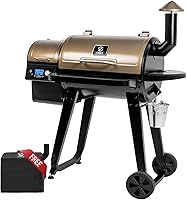
Are Pellet Smokers Electric? How They Work
Yes, pellet smokers are electric in how they operate, but burning wood pellets provides the cooking heat and smoke. Electricity powers the controls, pellet feeder, fan and, in most models, the startup igniter.
On this page (8 sections)
- Are pellet smokers electric or wood-fired?
- How are pellet smokers different from electric smokers?
- Which pellet grill fits your cooking plans?
- What should you check before buying an electric pellet smoker?
- How do you set up a pellet smoker for the first cook?
- Can a pellet smoker run without electricity?
- What care and cooking mistakes should you avoid?
- Are pellet smokers electric, and should you buy one?
Yes, pellet smokers are electric in how they operate, but burning wood pellets supplies the cooking heat and smoke. You need both a suitable electrical supply and a supply of dry cooking pellets.
That distinction matters before you buy: an automatic controller reduces fire tending, but it doesn't remove fuel checks, cleanup or the need to watch your cook. For the broader choice between smoker types, start with our electric and pellet smokers guide.
Are pellet smokers electric or wood-fired?
Pellet smokers use electricity to manage a wood fire. They aren't electric ovens with a little smoke added, and they won't keep working normally just because pellets remain in the hopper.
A controller reads the cooking chamber temperature and adjusts pellet feeding. A fan supplies air for combustion, while an electric igniter starts the fire in most models.
This setup suits cooks who want wood-fired cooking without adding individual logs or tending a charcoal bed. You still need to check food temperature, watch the fuel supply and keep the fire pot and grease system clean.
Why electric pellet smokers still need wood fuel
The pellets supply the heat, so plugging in an empty grill won't cook dinner. The hopper stores fuel, and a screw-shaped auger moves it toward the fire pot as the controller calls for more heat.
Hopper size affects how often you may need to refill, but it isn't a fixed runtime promise. Cooking temperature, weather and the grill's design all affect fuel use.
How are pellet smokers different from electric smokers?
The main difference is where the cooking heat comes from. Pellet smokers burn wood fuel, while electric cabinet smokers generally use a heating element and a separate tray or box for wood chips.
Choose between them by the cooking jobs you want to do. For low-temperature smoking, compare rack layout, food clearance and fuel handling; for grilling too, check the model's temperature range and whether it offers direct flame access.
Our electric smoker vs pellet smoker comparison explains the tradeoffs. The electric smokers guide covers the cabinet style, while the electric and pellet smokers overview puts both types together.
Which pellet grill fits your cooking plans?
Choose by food space, cooking range and refill needs, then check whether the grill fits your outdoor setup. Total cooking area alone won't tell you whether a long rack of ribs or tall chicken fits where you want it.
The 2 grills below suit different priorities. The pellets are a fuel option, not a third smoker.
KingChii: for routine smoking and roasting
The KingChii Electric Pellet Grill suits backyard cooks who mainly want to smoke, bake and roast. It combines 456 square inches of cooking space, an 11 lb hopper and PID temperature control from 180°F to 425°F.
The larger hopper gives you more fuel capacity between checks than the Pit Boss below, though it doesn't guarantee an unattended overnight cook. Dual meat probe ports let you connect probes, and wheels help with moving the grill around the yard.
Its removable oil drum gives collected grease a place to go, but the fire pot and cooking chamber still need care. Choose it for smoking and roasting; skip it if direct flame searing is a must, since that feature isn't specified here.
Pit Boss: for smoking plus direct flame searing
The Pit Boss 500 FB2 suits cooks who want one grill for slower smoking and direct flame finishing. It has 518 square inches across 2 tiers, with digital temperature settings from 180°F to 500°F in 5°F steps.
The Flame Broiler Lever opens access to direct flame, with Pit Boss specifying searing heat up to 1,000°F. That is direct flame heat, not the temperature of the entire cooking chamber.
Its 2 probe ports and 1 included meat probe help you monitor food separately from chamber temperature. Pit Boss backs the grill with a 5-year warranty.
Choose it if searing matters alongside smoking. Skip it if your main priority is fewer fuel checks during long cooks: its smaller hopper needs closer attention, and the grill weighs 136.6 lb.
Traeger Signature Blend: for a single mixed-menu fuel
Traeger Signature Blend suits cooks who want one hardwood blend for different meals. It combines hickory, maple and cherry in an 18 lb bag, with no binders.
Use it when you want to keep fuel choices simple across meat, fish and vegetables. Skip this blend if you want to learn the flavor of one wood at a time, and always check your grill's fuel guidance before filling the hopper.
What should you check before buying an electric pellet smoker?
Check outlet access, usable cooking space and fuel capacity before choosing a model. A grill that fits your menu can still be a poor match for your patio or cooking schedule.
- Power access: Choose a location that meets the manual's electrical and clearance requirements without putting a cord across a walking path.
- Food fit: Check grate dimensions and clearance between tiers, rather than relying only on total square inches.
- Cooking style: Smoking, roasting and direct flame searing require different features.
- Refill routine: A small hopper can suit shorter meals, but long cooks call for more frequent fuel checks.
- Cleanup access: Make sure you can reach the fire pot, grease drain and collection container without a struggle.
Compare vertical and horizontal pellet smoker layouts if rack arrangement is your main concern. For help narrowing models, use our pellet smokers for beginners guide.
How do you set up a pellet smoker for the first cook?
Set it up outdoors on a stable surface, with the clearances and electrical supply required by its manual. Never use a pellet smoker in a garage or other enclosed space, even with a door open.
Before adding food:
- Remove packaging and complete assembly.
- Check that internal parts, including grease trays, sit correctly.
- Keep electrical connections dry and away from hot surfaces.
- Add the recommended cooking pellets.
- Follow the model's auger priming and first-use burn instructions.
- Let startup finish and the cooking temperature settle.
Don't guess whether the lid should be open or closed during ignition. Startup procedures differ, and following the wrong sequence can leave unburned pellets in the fire pot.
Plan a first meal that leaves room for learning the controls. Our how to use a pellet smoker guide walks through the cooking routine.
Can a pellet smoker run without electricity?
A typical pellet smoker cannot run normally without power, even when its hopper is full. The controller, auger and fan need electricity to manage combustion.
For camping or a location without an outlet, check both startup and running power requirements before choosing a portable power source. Don't assume a battery unit can handle ignition just because it can run small electronics.
During an outage, keep track of food temperature and elapsed time. Follow the grill's inspection and restart instructions, since unburned pellets may remain after the fire goes out.
Never bypass the controls or add fuel by hand to keep it burning. If reliable power isn't available, compare other cooking setups in our smoking guides.
What care and cooking mistakes should you avoid?
Keep pellets dry, airflow clear and grease under control. Those habits support reliable feeding and reduce the chance of a disrupted cook.
Store spare pellets in a sealed, dry container. Moisture can make them swell and crumble, which can interfere with the feed system; use cooking pellets, never household heating pellets.
Clean ash from the cooled fire pot at the interval in your manual, with power disconnected before servicing. Empty the grease container and clear drains so grease doesn't build up near heat.
During cooking, avoid opening the lid to check every few minutes. Each opening releases heat, while a food probe lets you follow doneness without repeatedly disturbing the chamber.
Don't confuse the controller's chamber reading with the temperature inside the meat. Use a suitable food thermometer and judge doneness by the food, not just the time on your recipe.
At the end, run the proper shutdown cycle before disconnecting power. Some grills keep a fan running during cooldown, so pulling the plug immediately can interrupt that process.
Are pellet smokers electric, and should you buy one?
Pellet smokers are electric to operate and wood-fired to cook. Buy one if you have reliable outdoor power, want automatic fuel feeding and can keep up with pellet storage and cleanup.
Choose the KingChii for smoking and roasting with more hopper capacity. Choose the Pit Boss if direct flame searing is part of your plan and you're willing to check its smaller fuel supply more often.
If you can't provide suitable power or don't want to store dry pellets, choose another smoker type. If the setup fits, compare the best pellet smokers and read how to use a pellet smoker before your first cook.
Frequently asked questions
Are pellet smokers electric or wood burning?
Pellet smokers are both electrically powered and wood burning; electricity operates the controls, pellet feeder and fan, while burning pellets supplies the cooking heat and smoke. This differs from an electric cabinet smoker, where a heating element supplies the main heat and wood chips add smoke.
Can a pellet smoker work without electricity?
Most pellet smokers cannot run normally without electricity because their fuel feed and airflow depend on powered parts; a portable power source is an option only if it meets the grill's requirements. After an outage, follow the manual's inspection and restart steps rather than immediately relighting the fire.
Do pellet smokers need to be plugged in?
Most pellet smokers need to be plugged into a suitable electrical supply during the cook and shutdown cycle; check your model's voltage, outlet and cord requirements before choosing its location. Keep connections dry, route cords away from hot surfaces, and use an extension cord only as the manual permits.
Do pellet smokers use a lot of electricity?
Pellet smokers use electricity for their operating parts rather than as the main cooking heat source, but power use varies by model; startup may draw more power while the igniter runs. Check the manufacturer's startup and running requirements, especially before choosing a generator, inverter or portable power station.