Electric Smoker vs Wood Smoker: Which Should You Buy? (November 2026)
Choose an electric smoker for set-and-forget temperature control, and choose a wood or charcoal smoker for deeper smoke flavor and the manual ritual. In this electric smoker vs wood smoker comparison, the EAST OAK 30 Electric Smoker wins for most backyard cooks who want steady results with less tending.
On this page (9 sections)
Choose an electric smoker for set-and-forget temperature control, and choose a wood smoker for deeper smoke flavor and the manual ritual. In this electric smoker vs wood smoker comparison, the EAST OAK 30 Electric Smoker wins for most backyard cooks who want steady results with less tending.
Electric heat takes the guesswork out of a long cook. Wood and charcoal give you more flavor and more work.
Your routine, your patio and your patience decide which one belongs in your yard.
We compared the specs and features of three electric smokers against the wood-burning option so you can see where each one fits. Our score weighs specs, features and the searcher's goal against what you're shopping for.

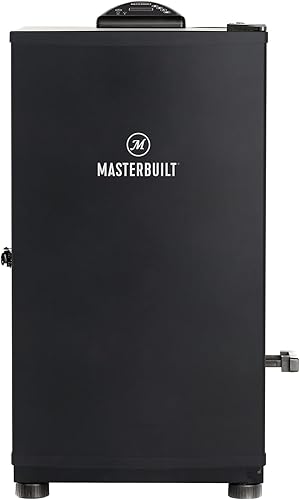 Best for beginners who want digital control
Masterbuilt 30 Digital Electric Smoker
Electric smoker vs wood smoker: what actually changes?
An electric smoker separates heat from smoke, while a wood smoker uses fuel for both. That single design difference drives everything else, from flavor to effort.
An electric smoker uses a heating element to hold a set temperature. Wood chips sit in a tray or loader and smolder to make smoke.
You set a dial or digital panel and the unit does the rest.
A wood smoker burns logs or charcoal. The fuel supplies both heat and smoke, so you manage the fire, the vents and the fuel supply through the whole cook.
The flavor gap comes from fuel volume. A handful of chips makes lighter smoke than a pile of burning logs.
The electric units here, including the EAST OAK 30, run on wood chips, so you still get real smoke, just in a gentler dose.
The split also changes what you handle. On an electric unit the only fuel you touch is chips, and the element supplies the heat.
On a wood smoker the fuel is the heat, so how you build and feed the fire is the whole skill. That is why the electric units here ship with a water bowl and a grease tray as their accessories, while a wood smoker's kit centers on the firebox and the wood.
Heat control and temperature steadiness
The electric smoker wins on temperature control, and it isn't close. A heating element holds a set temperature far more steadily than a fire you feed by hand.
The EAST OAK 30 uses digital controls: you set your time and temperature and let the smoker run. It even stops automatically and switches to keep-warm mode when your target time is reached.
That target time feature matters on a long cook, because the unit moves to holding instead of overcooking while you are away.
The Masterbuilt 30 Digital reaches up to 275°F on its digital panel. The analog Masterbuilt tops out at the same 275°F but uses a dial instead of a screen.
On both Masterbuilt units the panel or dial sets the temperature, but only the digital model also sets the cooking time on the panel.
A wood smoker swings with the fire. Add a log and the temperature spikes, then slowly drops as the fuel burns down.
Holding 225°F for 12 hours takes attention and small, frequent fuel additions. Vents and the air damper become your main tools, and a gust of wind can undo a good adjustment.
That steadiness matters for brisket and pork butt, which reward a long, even cook. An electric unit removes the temperature chase from your day.
Smoke flavor and bark
The wood smoker wins on smoke depth, while the electric smoker delivers lighter, cleaner smoke. The difference shows up most in the bark and the smoke ring.
Burning logs produce more smoke compounds and a thicker bark. Many barbecue fans chase that deep pink ring and the heavy crust on a brisket.
An electric smoker makes smoke from chips in a tray. The flavor is real but milder, and the bark tends to be thinner.
That suits poultry, fish and ribs where you don't want smoke to overpower the meat.
You can push electric smoke further with the right chips. Our guide to what wood chips work in an electric smoker covers the varieties and how to load them.
Chips smolder fast, so a full tray gives a short burst of smoke rather than a long, slow burn. That is the trade: lighter flavor, but you control when it lands.
The EAST OAK's side chip loader lets you add chips without opening the main door. That keeps the heat and smoke inside instead of dumping them each time you reload.
A clear viewing window on the same unit lets you check progress without opening the door either, which protects the heat on both counts.
Effort and attention during a cook
The electric smoker wins on effort, because you set it and walk away. The wood smoker needs fuel and vent checks across the whole session.
A long cook on a wood smoker means staying near the fire. You add fuel, watch the temperature and adjust vents.
A 14-hour brisket cook becomes an all-day commitment.
The electric units here need only chip reloads. The EAST OAK's loader makes that a quick side task.
The Masterbuilt 30 Digital uses a patented side wood chip loader for the same benefit. On the analog Masterbuilt, the chip tray is removable, so you pull it out to refill, but there is no side loader to feed chips while the door stays shut.
How often you reload depends on the chip load and the cook. Our guide on how often to add wood chips to an electric smoker breaks down the timing.
If you want to sleep through an overnight cook, the electric design is the practical choice. A wood smoker asks you to tend the fire, not just check on it.
The keep-warm switch on the EAST OAK also means the end of the cook doesn't demand perfect timing on your part.
Capacity and space on the patio
Capacity varies more within each type than between them, so match the cooking area to your batches. The three electric models here show the range.
The EAST OAK 30 offers 725 square inches across four removable racks. It fits full racks of ribs, multiple whole birds or several cuts at once.
The Masterbuilt 30 Digital gives 711 square inches across four chrome-coated racks. Masterbuilt says it fits up to 6 chickens, 2 turkeys, 4 pork butts or 4 racks of ribs.
The Masterbuilt 30 Analog offers 535 square inches on three chrome racks. It fits up to 3 chickens, 2 turkeys or 3 racks of ribs.
The gap between the analog and the other two is real: about 190 square inches and a whole fourth rack.
A wood smoker's capacity depends on the model and the fuel basket. Log burners often need a larger footprint for the firebox and wood storage.
Electric vertical smokers stand tall and narrow, which suits a small patio.
The electric units here show how compact that shape can be. The EAST OAK measures 15.35 inches deep, 17.32 inches wide and 32.2 inches high.
The Masterbuilt 30 Digital is 19.8 inches deep, 20.9 inches wide and 33.3 inches high. The analog Masterbuilt is the tallest of the three at 40 inches high, on a 20 by 22 inch base.
Measure your spot before you order, because height and depth vary more than the "30-inch" label suggests.
If space is tight, use our guide to what size electric smoker you need to match square inches to your household.
Cost to buy and cost to run
Electric smokers usually cost less to buy and run per session, while wood smokers carry more fuel and tending costs. Compare the whole picture, not just the unit.
An electric smoker needs a power outlet and a bag of chips. Chips are cheap and a session uses a modest amount.
Electricity use is small because the heating element cycles on and off.
A wood smoker needs logs or charcoal in volume. A long cook burns a lot of fuel, and quality wood adds up.
You also pay in time, which is a real cost for most cooks.
The trade is flavor and craft. A wood smoker rewards the cook who enjoys the process.
An electric smoker rewards the cook who wants the result without the babysitting.
The three electric units here sit at different price points. The analog Masterbuilt is the most basic, the digital Masterbuilt adds a control panel, and the EAST OAK adds a probe and window.
Check the live price on each before you decide, since the gap between the basic and the feature-rich units changes what "budget" means for you.
Setup, power and outdoor safety
Both types need an outdoor spot with clearance, but only the electric smoker needs a power outlet. Plan the location before you buy.
An electric smoker runs on a cord. Choose a spot within reach of a grounded outdoor outlet and keep the cord clear of walkways.
Never run one in a garage or enclosed space.
A wood smoker needs a fire-safe surface and clearance from walls, fences and overhangs. Wind affects a fire more than an electric element, so shelter matters.
Keep kids and pets away during a cook. Let either unit cool fully before you clean it or move it.
The EAST OAK 30 weighs 52.3 lb and stands about 32.2 inches high. The Masterbuilt 30 Digital weighs 45.9 lb.
The analog Masterbuilt weighs 49.9 lb. Plan a helper for delivery and setup.
What each unit asks of you at the outlet and after the cook
Power and cleanup are the two chores people forget. An electric smoker needs a grounded outlet close enough that the cord reaches without a heavy extension run, and the circuit should handle the element without tripping.
Check the outlet before the smoker arrives, not after.
Cleanup differs by unit. The EAST OAK includes a grease tray and a water bowl, so drippings land in a tray you can pull out.
The Masterbuilt 30 Digital has a removable rear grease tray. The analog Masterbuilt also has a removable rear grease tray.
The analog's chip tray also comes out for refilling. A wood smoker leaves you with ash to clear from the firebox after every cook, which is a regular chore the electric units skip.
Who should buy which?
Pick an electric smoker if you want reliable results with little tending; pick a wood smoker if smoke flavor and the craft matter more. Most first-time and busy backyard cooks are better served by electric.
Choose the EAST OAK 30 Electric Smoker if you want the best all-round package. The built-in meat probe tracks internal temperature without opening the door.
The side chip loader keeps the heat in. And 725 square inches handles a family gathering.
Choose the Masterbuilt 30 Digital if you're new to smoking and want digital controls at a lower price point than the EAST OAK. Its water bowl helps keep meat moist during long cooks.
It still gives you four racks and a side chip loader.
Choose the Masterbuilt 30 Analog if you want the simplest, most basic electric option. Its dial control and 535 square inches suit a couple or a small family.
It is the tallest of the three models, so check your headroom and storage space. It has no digital timer and no side loader, so you accept more door opening and less precision in exchange for simplicity.
Choose a wood smoker if you love the ritual. The fire, the smoke, the bark and the smoke ring are the reward.
Just plan to be present for the whole cook.
If you're still weighing electric against another fuel type, our electric smoker vs pellet smoker comparison covers the middle ground.
The verdict: which smoker should you buy?
For most people, the electric smoker vs wood smoker decision favors electric, and the EAST OAK 30 Electric Smoker is the pick. Its built-in meat probe, side chip loader and 725 square inches make long cooks easier without giving up real wood smoke.
Go electric if you want steady temperatures, less tending and a smoker that fits a busy week. The three units here cover a range of budgets and sizes, and the EAST OAK leads on features.
The Masterbuilt 30 Digital is a solid runner-up for a beginner, and the analog Masterbuilt covers the small-household end.
Go wood if the smoke flavor and the manual craft are the point of smoking for you. Just know that a long cook means staying near the fire.
If you have the time and want the deeper bark and smoke ring, no electric unit will match a live fire.
Pick the electric smoker for convenience and consistency. Pick the wood smoker for depth of flavor and the ritual.
For a backyard cook who wants good barbecue without babysitting a fire, the electric route is the smarter buy.
Frequently asked questions
Is an electric smoker as good as a wood smoker?
An electric smoker is easier to control and holds a steady temperature, while a wood or charcoal smoker gives a stronger smoke flavor and a more manual cook. For most beginners and busy cooks, the electric model produces good barbecue with far less tending.
What is the main difference between an electric smoker and a wood smoker?
An electric smoker uses a heating element to generate heat and wood chips for smoke, so you set a temperature and walk away. A wood smoker burns logs or charcoal for both heat and smoke, which needs more fuel management and attention.
Do electric smokers use real wood?
Yes. Electric smokers burn real wood chips, just in smaller amounts than a log-burning smoker.
The EAST OAK and both Masterbuilt models here use wood chips in a tray or loader to create smoke.
Can you get a smoke ring in an electric smoker?
A smoke ring is easier to achieve with charcoal or wood, but electric smokers still produce smoke flavor. Wood chips and steady low temperatures help, though the deep pink ring is more associated with traditional wood-fired cooking.
Which smoker is cheaper to run, electric or wood?
Electric smokers usually cost less to run per session because they use a small heating element and a handful of chips. Wood smokers burn more fuel over a long cook, but the difference depends on local electricity and wood prices.
How much tending does each smoker need?
An electric smoker needs chips reloaded every few hours and little else, while a wood smoker needs fuel added and vents adjusted throughout the cook. The EAST OAK's side chip loader lets you reload without opening the door.


