Electric Smoker vs Charcoal Smoker for Beginners: Which Is Better? (November 2026)
For electric smoker vs charcoal, choose electric for simpler heat control or charcoal for managing a live fire. Your outdoor setup, meal size and interest in tending fuel should decide the choice.
On this page (11 sections)
- Electric smoker vs charcoal: which is easier to control?
- Will charcoal make food taste smokier?
- Which smoker fits your outdoor space?
- How much food will each layout hold?
- Which model suits you, and who should skip it?
- What setup should you plan before the first cook?
- What mistakes cause the most trouble?
- Electric smoker vs charcoal smoker: what upkeep follows each?
- Side-by-side features for beginner smokers
- Which smoker makes more sense for your first year?
- Which one should you choose?
For electric smoker vs charcoal, choose electric for easier heat settings and charcoal if you want to manage the fire yourself. Both can smoke food with wood, but their setup and cooking routines differ.
The best choice depends on how you want to spend a Saturday: preparing food while a controller handles heat, or adjusting fuel and airflow as part of the cook.
Here, the EAST OAK represents electric cabinet smoking, the Weber represents compact vertical charcoal smoking, and the Royal Gourmet adds grilling with an attached offset smoker. Our complete guide to electric and pellet smokers explains the wider range of powered options.


Electric smoker vs charcoal: which is easier to control?
Electric is easier for setting heat, while charcoal gives you direct control over combustion. Beginners who want fewer fire adjustments should start with electric.
The EAST OAK has digital time and temperature controls. You choose settings, then monitor the food and smoke rather than adding charcoal to maintain heat.
The Weber uses adjustable dampers to regulate airflow. More oxygen generally feeds the fire, while restricting intake reduces its heat output.
Charcoal responds gradually, so make small changes and give the temperature time to settle. Repeatedly moving several vents can turn a manageable drift into a cycle of rising and falling heat.
Electric controls also have limits. Opening the door, adding cold food and cooking in poor weather can affect chamber temperature, so a brief dip doesn't always require a new setting.
Electric smoker vs charcoal smoker for a first cook
Electric reduces the number of jobs you learn at once: you can focus on food placement, smoke and doneness. Charcoal adds fire building and airflow control to that first session.
Start with a modest batch and leave time before dinner. A crowded smoker and a firm serving deadline make it harder to understand how your setup behaves.
If you enjoy watching a fire and making small adjustments, charcoal's extra work can be the reason to buy it. If that sounds like a chore, choose electric.
Will charcoal make food taste smokier?
Charcoal adds its own combustion flavor, but wood choice and fire quality also shape the result. Either fuel style can produce smoked food without covering it in harsh smoke.
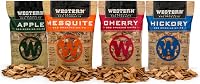
The EAST OAK uses electricity for heat and wood chips for smoke. The Weber burns charcoal and lets you add wood alongside it.
Start with the wood amount your manual recommends. Adding extra wood because the smoke looks faint can leave food bitter rather than pleasantly smoky.
With charcoal, keep enough airflow for the fuel to burn cleanly. Trying to hold a smoky cloud inside by closing vents can choke the fire and harm the flavor.
Food doesn't need a thick white cloud around it throughout the cook. Judge progress through chamber temperature, food temperature and the cooking instructions, rather than smoke volume alone.
Our guide to using wood chips in an electric smoker helps you choose fuel for that routine. For loading and startup, see how to use an electric smoker.
Which smoker fits your outdoor space?
Choose a smoker only after checking placement, access and working room. The cabinet, vertical charcoal body and grill cart need different amounts of space.
The EAST OAK measures 15.35 in deep, 17.32 in wide and 32.2 in high. Its cabinet shape suits a narrow outdoor cooking spot, provided you can meet the manual's clearances.
The Weber measures 14.7 in wide and deep, and 31.4 in high. Allow extra room to lift its lid and reach the fuel door.
The Royal Gourmet measures 28.56 in deep, 51.69 in wide and 46.89 in high. Its front and side tables provide workspace, but the wider cart needs a larger clear area.
These dimensions describe the equipment, not the full operating space. Leave room to carry hot food, open doors and keep people away from hot surfaces.
All 3 belong outdoors. A garage, shed or enclosed porch isn't a substitute for a suitable open-air cooking area, even when the smoker uses electricity.
For electric, check access to a suitable outdoor electrical connection and follow the manual's cord requirements. For charcoal, check local fire rules and any property restrictions before buying.
How much food will each layout hold?
Match usable rack space to your usual meal, rather than choosing the biggest cooking-area number. A wide rack and several stacked racks solve different problems.
The EAST OAK has 725 sq in of cooking area across 4 removable racks. That layout suits batches of separate cuts, with racks removed when taller food needs more room.
The Weber has 2 cooking grates in its 14-inch format. It suits smaller batches, but wide cuts need more planning than the grate count alone suggests.
The Royal Gourmet's 824 sq in total includes 475.3 sq in of main cooking grates, a 151 sq in warming rack and a 197.3 sq in offset smoker. Those areas don't form one continuous cooking surface.
Don't treat warming space as equal to the main cooking zone. Also leave gaps around food so heat and smoke can move through the chamber.
Think through an actual meal: the shape of your ribs, the height of a bird and whether you need access to a lower rack. Our electric smoker size guide explains how cabinet space affects meal planning.
Which model suits you, and who should skip it?
Choose by your main cooking habit: simple smoking, compact charcoal cooking or a mix of grilling and smoking. Buying extra functions only helps if you'll use them.
EAST OAK: for cooks who want simpler heat settings
The EAST OAK suits people who want smoked meals without making fire management a hobby. Its built-in meat probe tracks internal food temperature, and the side chip loader lets you refill without opening the main door.
Use the probe in the thickest part of the food, away from bone where possible. Chamber temperature and internal food temperature answer different questions, so keep track of both.
Skip this model if you lack a suitable electrical connection or want direct charcoal grilling. An electric cabinet fits low-and-slow meal plans better than a routine built around cooking over coals.
Weber: for cooks who want to learn charcoal
The Weber suits a beginner who wants a dedicated smoker and enjoys managing fuel. Its removable fuel door provides access for adding charcoal and wood without taking the whole cooker apart.
Plan fuel access before loading food, and keep your charcoal dry. Damp fuel and rushed lighting make the first part of a cook harder to control.
Skip it if you want large, wide cooking surfaces or dislike checking a fire. Its compact body saves space, but it doesn't remove charcoal's attention and cleanup needs.
Royal Gourmet: for cooks who also want to grill
The Royal Gourmet suits someone who wants burgers or other grilled meals as well as smoking sessions. Its attached offset chamber makes it a different choice from a dedicated vertical smoker.
The charcoal pan has 2 height settings to change the distance between food and fuel. Moving coals closer is useful for grilling, while smoking calls for managing gentler heat and airflow.
Skip it if you want the simplest route to steady smoking temperatures. Learning an offset-style setup adds heat placement and fire management to the job, and the cart requires assembly.
What setup should you plan before the first cook?
Read the manual, prepare the site and complete any required seasoning before adding food. A first cook goes more smoothly when assembly and preparation are already finished.
Check that racks, grease trays and fuel parts sit correctly. Keep the smoker stable, with its vents and access points clear.
For electric, prepare the chip supply and place the probe before starting. Follow the manual's preheating steps, then load food without leaving the door open longer than necessary.
For charcoal, use an approved lighting method and let the fire settle before loading food. Avoid lighter fluid or any starter method the manufacturer prohibits.
Keep raw-food tools separate from serving tools, and prepare a clean tray for finished food. Carrying cooked meat back on the raw-food tray can undo careful cooking.
The first-cook electric smoker guide walks through the sequence. Follow your model's directions to season an electric smoker before its first cook.
What mistakes cause the most trouble?
Opening the cooker too often, chasing every temperature change and using too much wood make beginner cooks harder. A steady routine helps more than constant adjustments.
Opening the lid to admire the food releases heat. Check when you have a purpose, such as placing a probe, adding fuel or checking tenderness.
With charcoal, change one control at a time. If you add fuel and move every damper together, you won't know which change affected the fire.
Don't pack food tightly against chamber walls or block airflow with foil. Use foil only where the manual allows it, and keep grease paths clear.
Avoid starting with several foods that need very different finish times. One main cut makes it easier to learn the smoker without juggling multiple serving plans.
Finally, don't use the timer, smoke color or outside browning as proof of doneness. Check food against USDA safe minimum internal temperatures, then assess tenderness where the recipe calls for it.
Electric smoker vs charcoal smoker: what upkeep follows each?
Both need grease cleanup, while charcoal adds spent-fuel disposal. Choose the routine you're willing to complete after dinner, not just the one that sounds appealing before cooking.
Let equipment cool as directed before cleaning. Remove food debris, empty grease containers and wash removable food-contact parts according to the manual.
Electric avoids charcoal ash, but wood chips still leave residue. Keep electrical parts dry and use our guide to cleaning an electric smoker for a practical cleanup sequence.
Charcoal ash can hide hot embers long after cooking ends. Wait until it is fully cold and use a suitable noncombustible container, away from buildings and anything that can burn.
Don't leave damp ash sitting in the cooker between sessions. Clear vents and fuel areas so residue doesn't interfere with airflow on the next cook.
Storage matters too: let the unit cool and dry before covering it. If winter cooking is part of your plan, check how electric smokers work in cold weather before choosing a location.
Side-by-side features for beginner smokers
Compare heat control first, then cooking layout and space. Those differences have more effect on your routine than a larger total cooking-area figure.
| Product | Best for | Fuel | Controls | Cooking area | Our score |
|---|---|---|---|---|---|
| EAST OAK 30 Electric Smoker | busy home cooks | Electric, with wood chips | Digital time and temperature | 725 sq in | 9.0 |
| Weber Smokey Mountain 14-Inch Smoker | small patio cooks | Charcoal | Adjustable dampers | 8.3 | |
| Royal Gourmet CC1830S Charcoal Smoker | grilling and smoking | Charcoal | 7.5 |
The EAST OAK leads for beginners who want fewer manual adjustments. The Weber is the compact charcoal choice, while the Royal Gourmet serves buyers who want grilling as well as smoking.
Include the whole routine in your budget: cooking fuel, wood, cleaning supplies and any storage protection you need. Electric still uses smoke wood, and charcoal requires fuel even when you don't add extra wood.
Neither style guarantees a lower running cost for every household. Cook length, weather, local energy costs and how much fuel you use all affect that comparison.
Which smoker makes more sense for your first year?
Buy for the meals and attention level you can sustain, rather than a single ambitious holiday cook. A smoker that fits an ordinary weekend is more likely to get regular use.
Choose the EAST OAK if you'd rather spend your effort on seasoning, food preparation and serving. You'll still supervise the cook, but building a charcoal fire won't be part of every session.
Choose the Weber if learning fire control sounds enjoyable and your meals fit its compact grates. Give yourself time to learn one fuel setup before changing several parts of the routine.
Choose the Royal Gourmet if you expect grilling to share the schedule with smoking. Its extra cooking areas earn their space when both uses matter to you.
For more starter options, see the best smokers for beginners. If you want powered heat with a different fuel routine, read our electric smoker vs pellet smoker comparison.
Which one should you choose?
For electric smoker vs charcoal, make the final choice with 3 checks: where it can operate, what food must fit and how much fire management you want.
Pick the EAST OAK when a suitable power connection is available and simpler heat settings are the priority. Pick the Weber when compact charcoal smoking and learning airflow control appeal to you.
Pick the Royal Gourmet when you need a charcoal grill and offset smoker together. Allow enough working room and time to learn the separate cooking areas.
Before ordering, measure your planned cooking spot and sketch a typical meal across the racks. If electric fits those checks, continue with how to use an electric smoker to plan your first cook.
Frequently asked questions
Is an electric smoker easier for beginners?
An electric smoker usually makes heat control easier because you select a temperature instead of building and adjusting a charcoal fire. You still need to manage wood, allow space around food and check doneness.
Choose electric if learning food preparation matters more to you than learning fire management.
Does charcoal give food more smoke flavor?
Charcoal can add combustion flavor, but it doesn't guarantee stronger or better wood smoke flavor. Wood choice, smoke quality and cooking time also matter.
The EAST OAK uses wood chips, while the Weber accepts wood alongside charcoal, so either approach can produce food with a clear smoke flavor.
Can you use an electric smoker without wood chips?
Electricity provides heat, and wood chips provide smoke, so an electric smoker doesn't depend on burning chips to heat food. Follow your model's manual for operation without chips.
Without a smoke source, expect cooked food without the wood smoke flavor that usually draws people to a smoker.
Which smoker needs more attention during cooking?
Charcoal generally needs more attention because you manage fuel and airflow as conditions change. Electric temperature controls reduce that work, but they don't remove the need for supervision.
Stay available to check food temperature, watch the smoke and respond to weather or power problems during the cook.
Should beginners buy a charcoal grill with an offset smoker?
Buy a grill with an offset smoker if you want both cooking styles and have time to learn fire control. The Royal Gourmet combines those areas, but they serve different jobs.
A dedicated electric or compact vertical charcoal smoker makes more sense if your main goal is smoking.